



Quick Links
What Are Exosomes?
Exosomes are extracellular messengers naturally released by cells that help facilitate communication throughout the body. In aesthetics, exosome therapy is used to support the skin’s natural healing and regenerative processes by delivering growth factors, proteins, peptides, and signaling molecules that encourage cellular repair and collagen production.
Exosomes are often paired with advanced treatments such as microneedling and laser procedures to enhance skin rejuvenation, amplify collagen formation, and optimize healing. By improving the skin’s regenerative response, exosomes can help accelerate recovery while enhancing overall treatment results.
Patient Testimonial
Dr H. Is world class. She’s patient, attentive, thorough and made me feel incredibly comfortable. She’s highly trained, highly skilled and will be a superstar in her field. Highly recommend.
What are the Benefits?
Exosome therapy may help improve:
- Fine lines and wrinkles
- Skin texture and tone
- Dull or aging skin
- Acne scars and other mild scarring
- Redness and inflammation
- Skin hydration and radiance
- Healing after laser or microneedling treatments
Exosome treatments can also complement other facial rejuvenation procedures for patients seeking more comprehensive skin improvement. Research and aesthetic use continue to evolve around regenerative treatments and skin healing applications.
The Exosome Procedure
Your appointment will begin with a consultation with Dr. Tania Hassanzadeh to determine your goals and whether exosomes are an appropriate addition to your treatment plan.
Exosomes are commonly applied immediately after treatments such as microneedling, radiofrequency (RF) microneedling, or laser resurfacing. During these procedures, microscopic channels are created within the skin, allowing the regenerative ingredients to penetrate more effectively and support the healing process.
The treatment itself is generally comfortable and can usually be completed in under an hour, depending on the procedure being combined with the exosome application.
Dr. Hassanzadeh customizes every treatment plan to your skin concerns, ensuring a personalized approach designed to provide natural-looking rejuvenation.
Exosome Recovery
Recovery depends largely on the treatment being paired with exosomes rather than the exosomes themselves. Most patients experience mild redness, swelling, or sensitivity after treatments, but these effects typically improve within several days.
Patients can often return to normal activities quickly, although avoiding excessive sun exposure, strenuous exercise, and harsh skincare products for several days is recommended.
Many patients notice improvements in skin glow and texture relatively early, while collagen remodeling and continued skin renewal occur gradually over several weeks and months.
Who Is a Candidate?
Exosome therapy may be a good option for patients who want to enhance skin rejuvenation and support healthier, more radiant skin without surgery.
You may be a candidate if you:
- Have early signs of aging
- Want smoother skin texture
- Are looking to improve acne scarring
- Want to optimize healing after laser or microneedling treatments
- Are in good overall health
- Have realistic expectations regarding your results
During your consultation, Dr. Hassanzadeh will evaluate your concerns and determine whether exosomes should be incorporated into your treatment plan.
Pairs Well With
Exosomes can be combined with other skin rejuvenation treatments to support healing and enhance overall results. Dr. Hassanzadeh may recommend pairing exosomes with:
- Microneedling
- Laser Skin Resurfacing
- Injectables (Nueromodulators, Fillers)
During your consultation, a personalized treatment plan can be created based on your skin concerns and aesthetic goals.
Schedule a Consultation in Beverly Hills
If you’re looking to improve skin quality, support collagen production, and enhance your overall rejuvenation results, exosome therapy may be an excellent addition to your treatment plan. Dr. Hassanzadeh takes a personalized approach to every procedure, helping patients achieve refreshed, natural-looking outcomes.
Schedule a consultation at our Beverly Hills office today to learn more about how exosomes can elevate your skin rejuvenation journey. We can’t wait to meet you!
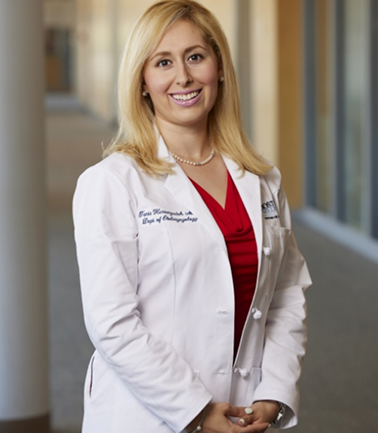
FACIAL PLASTIC SURGEON
Dr. Tania Hassanzadeh
Tania Hassanzadeh, MD, is a fellowship-trained Facial Plastic & Reconstructive Surgeon in Beverly Hills, CA. She graduated with honors in Neuroscience from Duke University in Durham, NC and completed her medical degree at the University of Arizona College of Medicine in Tucson, where she was one of few graduates inducted into the prestigious Alpha Omega Alpha National Medical Honor Society for top academic performance.
MEET DR. H