


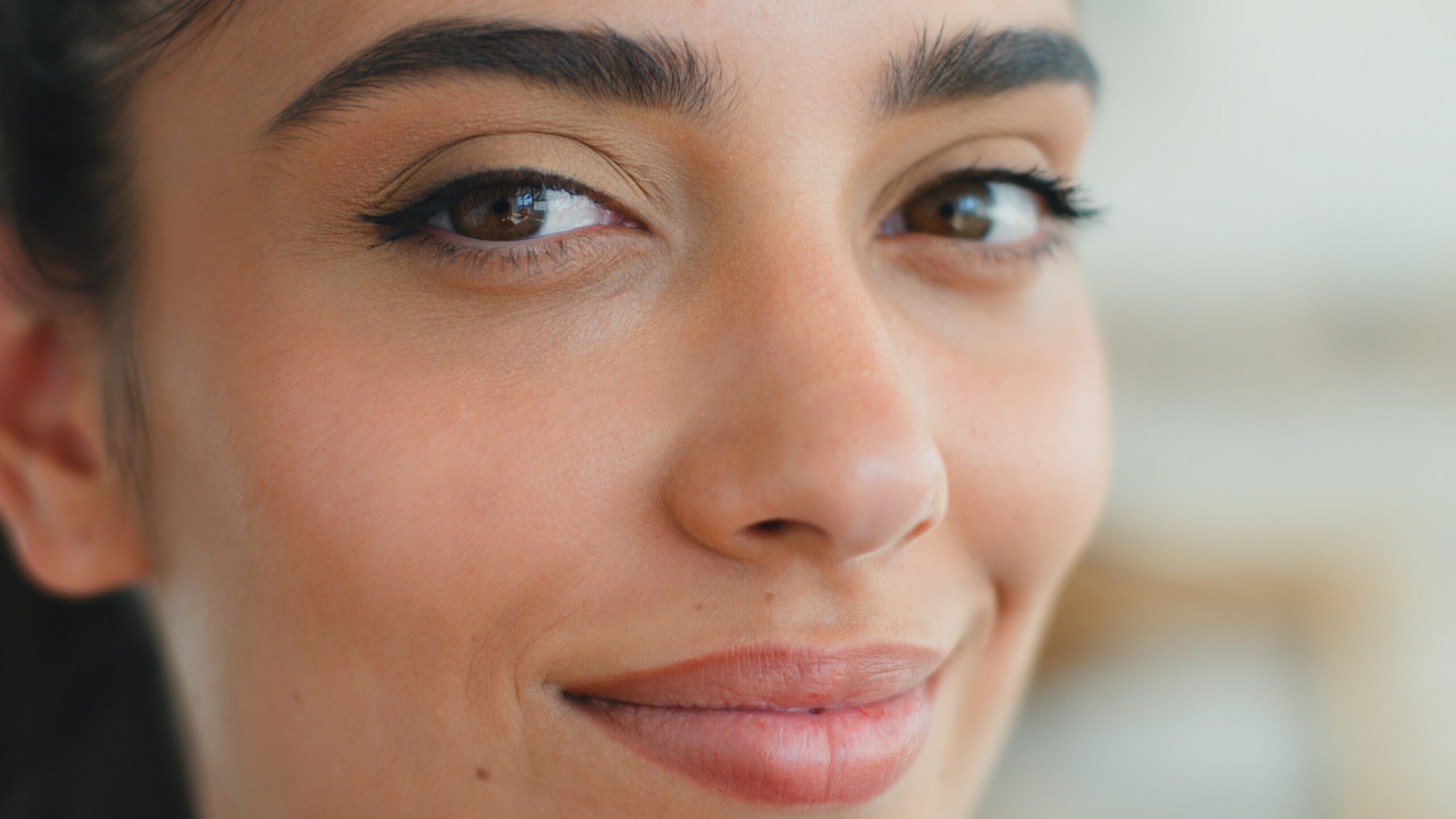
Blepharoplasty in Beverly Hills is one of the most sought-after facial procedures for patients who want to address drooping upper eyelids, under-eye puffiness, or a persistently tired appearance that no amount of rest seems to correct. Dr. Tania Hassanzadeh, a fellowship-trained Facial Plastic and Reconstructive Surgeon, approaches eyelid surgery with the anatomical precision and artistic sensibility that reflect her advanced training at some of the country’s most respected academic medical centers.
What Is Blepharoplasty?
Blepharoplasty, also called eyelid surgery or an eyelid lift, is a surgical procedure that addresses excess skin, herniated fat, and laxity in the upper eyelids, lower eyelids, or both Over time, the delicate tissues surrounding the eyes may lose elasticity, causing the eyelids to appear heavy, puffy, or drooped. These changes can create a fatigued or aged look that patients often describe as frustrating because it does not reflect how they actually feel.
Upper blepharoplasty typically addresses redundant skin and fatty tissue that weighs down the upper eyelid, while lower blepharoplasty may help reduce the appearance of under-eye bags, hollows, and fine crepiness in the lower lid area. In some cases, patients benefit from a combination of both. Dr. Hassanzadeh evaluates each patient individually and may recommend pairing blepharoplasty with complementary non-surgical cosmetic treatments in Beverly Hills to achieve a balanced, refreshed result. Individual results may vary, and a personal consultation is the appropriate first step toward understanding your options.
Upper Blepharoplasty vs. Lower Blepharoplasty: What Is the Difference?
Although both procedures fall under the same surgical umbrella, upper and lower eyelid surgery address different concerns, use different incision approaches, and are chosen for different reasons. Understanding the distinction helps you arrive at your consultation with a clearer sense of what you are hoping to change.
Upper Blepharoplasty
Upper eyelid surgery focuses on the tissue above the eye, where drooping and full eyelids, sagging skin, and lines and wrinkles tend to accumulate with age. When that excess skin begins to rest on the lash line, patients often describe their eyes as looking smaller, heavier, or perpetually tired, and in more advanced cases the hooding can begin to interfere with the upper field of vision.
Upper blepharoplasty places incisions along the natural crease in the eyelid, so the resulting scar falls within an existing anatomical line and stays well concealed as healing progresses. Conservative skin removal targets the excess upper eyelid skin and sagging that come with eyelid aging. Dr. Tania Hassanzadeh adjusts fatty tissue where appropriate so the lid contour looks lighter and more defined rather than hollowed or overly operated. Overcorrection can make the eyes difficult to close after surgery, which is why restraint matters here.
It is worth noting that heaviness above the eye is not always coming from the eyelid itself. When a low or descended brow is the underlying cause, including sagging eyebrows or descent of the outer brow, a brow lift in Beverly Hills may be the more appropriate procedure, or the right complement to eyelid surgery, rather than treating the eyelid alone. Distinguishing between the two is a central part of Dr. Hassanzadeh’s evaluation, because treating the eyelid when the brow is the real issue rarely produces the result a patient is hoping for.
Lower Blepharoplasty
Lower eyelid surgery addresses the area beneath the eye, where puffiness, excess fat, loose lower eyelid skin, and sagging create the appearance of bags, shadowing, or a sunken quality that makeup and skincare rarely resolve. The concerns here are more often about texture and volume than about weight or hooding.
Incision placement is different as well. For lower blepharoplasty, Dr. Hassanzadeh hides the incision just below the lower lash line or inside the eyelid. That second approach uses a transconjunctival incision, placed on the inside of the eyelid. It leaves no visible scars on the skin. Dr. Hassanzadeh uses an external incision when she needs to remove lower eyelid skin. Rather than simply removing fat, modern lower lid technique often involves repositioning it. This is an approach intended to improve a hollow or sunken look, especially when deep tear troughs are present. In some cases, fat grafting and fat transfer may be used to restore volume in the surrounding cheek and tear trough area so the transition beneath the eye looks smooth rather than abrupt. Dr. Hassanzadeh selects the technique based on your skin quality, fat distribution, and lower lid support.
Surgery may not be the first recommendation for shadowing or mild hollowness without true fat herniation. Dermal fillers can soften the transition under the eye without surgery. Morpheus8 may improve skin texture and crepiness in the lower lid. Dr. Hassanzadeh will tell you honestly if a non-surgical option is the better starting point for your concerns.
Can Both Be Done Together?
Yes. Many patients treat both the upper and lower lids in the same session for balanced rejuvenation. Correcting only one area can sometimes make the untreated area more noticeable. Total surgical time generally ranges from 45 minutes to two hours depending on the type of blepharoplasty, so a combined procedure does not necessarily take dramatically longer. Patients frequently combine eyelid surgery with other procedures, including a facelift in Beverly Hills or a deep plane facelift, when their goals extend beyond the eye area. Dr. Hassanzadeh decides with you whether to treat one area or both after examining your eyelid anatomy. Individual results may vary.
Are You a Candidate for Blepharoplasty?
Ideal candidates for blepharoplasty in Beverly Hills are generally adults in good overall health. They want to address excess eyelid skin, persistent puffiness, or a tired expression. Their eyes no longer reflect the energy they actually feel. Patients most commonly seek upper eyelid surgery when drooping skin begins to interfere with their field of vision or when inherited or age-related changes, including puffy eyelids, make their eyes appear smaller and heavier than they once did. Lower eyelid surgery tends to appeal to those with prominent under-eye bags or a shadowed, sunken quality beneath the eyes.
Patients whose main concern is expression lines at the outer corners of the eyes rather than excess skin may benefit more from Botox in Beverly Hills, either on its own or alongside surgery. Good candidates for blepharoplasty are non-smokers or willing to pause smoking well in advance of surgery, have realistic expectations about the nature of surgical recovery, and understand that individual results may vary. Certain eye conditions, dry eye concerns, or systemic health factors may affect candidacy, which is why the consultation process is essential, especially because this is both eye surgery and cosmetic surgery. During your appointment with Dr. Hassanzadeh, she will review your medical history, examine your eyelid anatomy in detail, and help you understand which approach, if any, is appropriate for your goals. The consultation is the right first step toward a confident, well-informed decision.
The Blepharoplasty Process at Dr. Hassanzadeh’s Practice
The blepharoplasty process begins with a thorough consultation. Dr. Hassanzadeh takes time to understand what is bothering you, examine the structural anatomy of your eyelids, assess skin quality and fat distribution, and discuss the realistic outcomes you may expect. Planning also depends on her surgical technique and understanding of facial muscle structure to support natural results. She also reviews how blepharoplasty might complement other procedures you are considering, such as facial and neck surgery in Beverly Hills or adjunctive non-surgical options.
The blepharoplasty procedure typically requires local anesthesia with sedation or general anesthesia, depending on the extent of treatment and patient preference. Upper eyelid incisions are typically placed within the natural eyelid crease, allowing resulting scars to remain well concealed as healing progresses. Dr. Hassanzadeh places lower eyelid incisions just below the lash line or inside the lower lid, depending on which technique best suits your anatomy. Most procedures take 45 minutes to two hours depending on whether the upper lids, lower lids, or both are being treated.
Eyelid surgery recovery typically involves swelling, bruising, and some tightness around the eyes for the first one to two weeks, with patients advised to sleep with the head elevated and wear dark-tinted glasses for comfort and protection. Swelling generally peaks during the first few days after surgery and then subsides over the following one to two weeks, and patients treating the lower lids often find bruising in that area more noticeable early on than patients who have had upper lid surgery alone. Dr. Hassanzadeh usually removes stitches about one week after surgery. Most patients report minimal discomfort and return to normal activities after 10 to 14 days, though they should avoid strenuous activity for several weeks. Many also wear dark tinted glasses outdoors during this period. Final results continue to refine over two to three months as residual swelling resolves. Browse the blepharoplasty before and after gallery to see what Dr. Hassanzadeh’s patients can expect.
Why Choose Dr. Hassanzadeh for Blepharoplasty in Beverly Hills?
Choosing the right surgeon for blepharoplasty is one of the most important decisions you will make. If you are comparing specialists, some patients also consider an oculoplastic surgeon for eyelid-focused procedures, but in every case you should verify board certification for anyone performing blepharoplasty. The eyelid region is one of the most anatomically complex and visually prominent areas of the face, and surgical outcomes depend heavily on the surgeon’s experience and judgment. That judgment matters most in deciding how much to do and where, particularly in the lower lid, where the difference between a refreshed result and a hollowed one comes down to technique selection.
Dr. Tania Hassanzadeh brings an exceptional foundation of academic and clinical training to her Beverly Hills practice. She graduated with honors in Neuroscience from Duke University and completed her medical degree at the University of Arizona College of Medicine, where she was inducted into the Alpha Omega Alpha National Medical Honor Society, a distinction reserved for top-performing medical graduates. Dr. Hassanzadeh is trained in facial and reconstructive surgery at Tufts Medical Center in Boston before completing a dual fellowship with Dr. Jeffrey Spiegel, a nationally recognized facial plastic surgeon, and Boston Medical Center. She further served as an assistant professor in the Department of Otolaryngology-Head and Neck Surgery at Boston University Chobanian and Avedisian School of Medicine, a role that reflects the depth of her academic engagement with the specialty.
Dr. Hassanzadeh is affiliated with the American Board of Facial Plastic and Reconstructive Surgery. Surgeons specializing in eyelid surgery may also be certified by the American Board of Plastic Surgery or the American Board of Ophthalmology. Her practice serves patients throughout Beverly Hills, Los Angeles, West Hollywood, and the broader Southern California region. You can read what patients have shared about their experiences on the patient testimonials page.
Results and What to Expect
After blepharoplasty, most patients notice a meaningful improvement in the rested, refreshed quality of their appearance. Upper eyelids that once appeared heavy may feel lighter and more open, and under-eye puffiness that once seemed resistant to every remedy may appear significantly reduced. These changes tend to be subtle in the best sense: the goal is to look like yourself, not like you have had surgery, while preserving your natural beauty.
Most patients see the majority of their improvement within four to six weeks, with continued refinement over the following months. Blepharoplasty results are often long-lasting, typically 10-15 years, though the natural aging process continues over time. As with any surgical procedure, complications can include infection and scarring. Combining your surgical results with supportive cosmetic procedures such as lasers and microneedling in Beverly Hills or skin resurfacing may help extend and complement your outcome, but blepharoplasty does not directly treat facial wrinkles or dark circles. Individual results may vary, and Dr. Hassanzadeh will provide a realistic picture of what you can expect during your personal consultation.
Schedule Your Blepharoplasty Consultation in Beverly Hills
If you are ready to explore blepharoplasty in Beverly Hills with a fellowship-trained facial plastic surgeon, Dr. Tania Hassanzadeh and her team are here to guide you through every step. Your consultation is the first and most important step toward understanding what is possible for your eyes and your overall appearance. Contact the practice today to schedule your appointment.
Dr. Tania Hassanzadeh
Dr. Tania Hassanzadeh, MD, is a fellowship-trained Facial Plastic & Reconstructive Surgeon based in Beverly Hills, CA. She earned her medical degree from the University of Arizona College of Medicine and completed rigorous training in Otolaryngology—Head & Neck Surgery at Tufts Medical Center. Dr. Hassanzadeh then completed dual fellowships in Facial Plastic & Reconstructive Surgery and Craniomaxillofacial Surgery, gaining expertise in rhinoplasty and facial reconstruction. Known for her warm and empathetic approach, she is dedicated to helping patients restore confidence and natural beauty through both surgical and non-surgical treatments, including facelifts, eyelid surgery, lip lifts, and injectables.